

Director’s Note
Thank you for finding this page. I hope to share our journey as we go from pre production to post, so we can walk you through our scope and vision for “Telling”. Nathan K Williams
-

Who Are We Without Our Stories?
An Introduction to My Vision as a Director – Nathan K Williams
On October 16, 2024, I walked into a theater expecting to watch a one-man show. I walked out knowing I had found a story that needed to be told on a much larger scale. The performance was by Lethan Candlish, a storyteller whose lived experience of surviving a traumatic brain injury was woven into a deeply moving and profoundly human narrative. As I watched, I saw something beyond the stage—I saw a film waiting to be made.
As a director and filmmaker, I am drawn to stories that challenge perception that question reality, and that explore the fluidity of self-identity. The experience of traumatic brain injury is not just a medical condition; it is a transformation of the self, a confrontation with memory, and a test of resilience.
In adapting Lethan’s one-man show and book into a screenplay, I wanted to go beyond the linear retelling of events. I wanted to create a cinematic experience that immerses the audience in the shifting landscapes of identity and memory, much like those who have survived such an experience must navigate every day.
Philosophically, I find myself drawn to John Locke’s theory of self-identity—the idea that we are the sum of our memories, that our continuity as individuals depends on the stories we tell ourselves about who we are. But what happens when those memories fracture? When storytelling becomes not just a means of expression, but a means of survival? These are the questions at the heart of this film.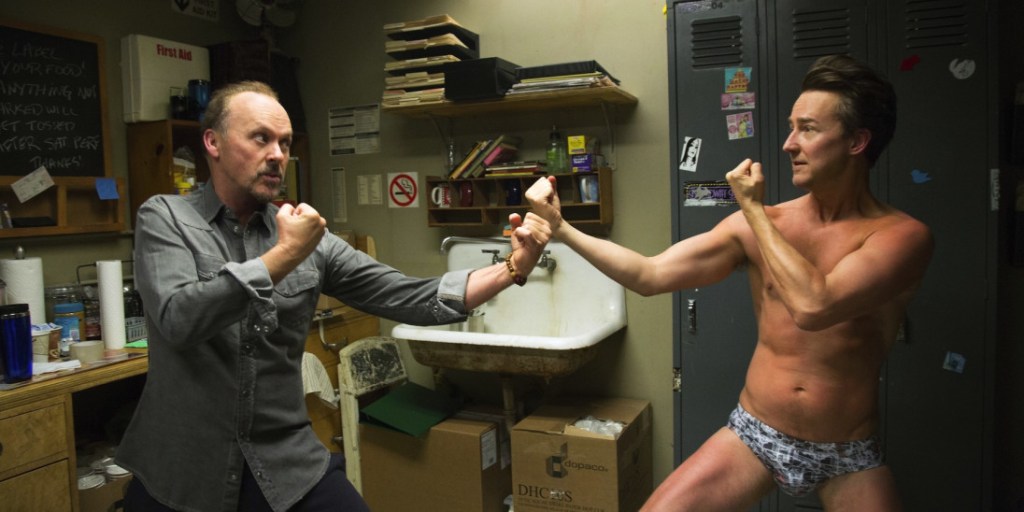
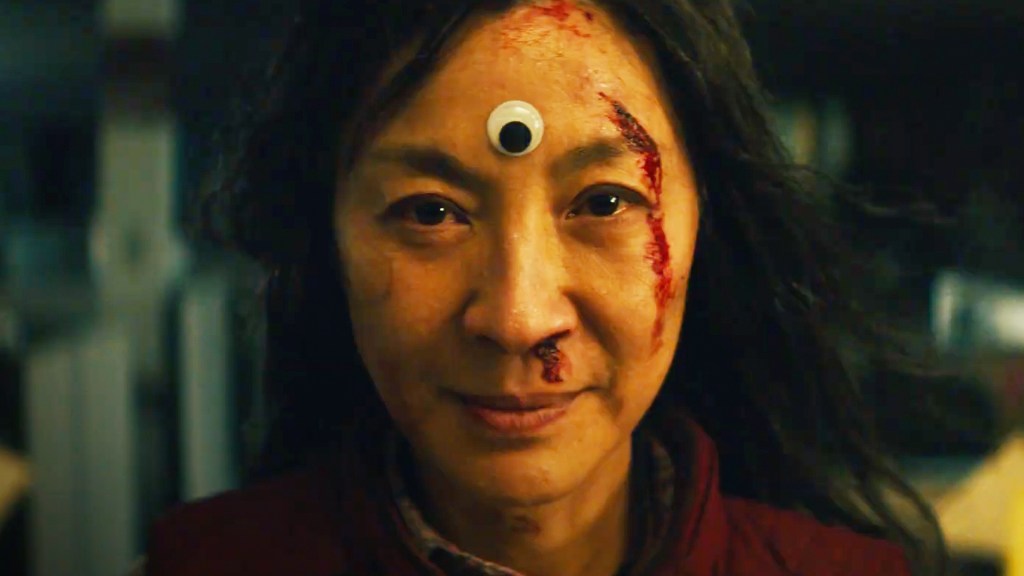
Visually and structurally, I envision this film as a surreal, immersive tableau that blurs the boundaries between theater and cinema. Much like Everything Everywhere All at Once, Being John Malkovich, Birdman, and the eerie, mind-bending narratives of The Twilight Zone, this film will play with perspective, shifting between staged performances and cinematic realism. The audience will feel as if they are sitting in a theater, only to be pulled through the seams of reality into the fragmented yet beautiful world of our protagonist’s mind.
This is not just a film about brain injury—it’s about storytelling as identity. It’s about the way we reclaim ourselves through the narratives we shape and share. My goal is to challenge the audience to ask themselves: Who are we, if not the stories we tell?
This journey has already begun. The website tellingthefilm.com offers a glimpse into this powerful project, featuring the concept trailer, insights into Lethan’s journey, and our vision for bringing this story to life. I invite you to explore, engage, and become a part of this unfolding narrative.
This is my vision. This is the journey I invite you to take with me.
 Telling: A Film about Traumatic Brain Injury